


11 min read
Need it handled? Call (210) 940-2604
Commercial Roofing in College Station, TX: ARP Roofing & Remodeling serves College Station and the surrounding area. Call (210) 940-2604 for a free estimate.
TL;DR: Commercial roofs in College Station should be inspected at least twice per year – spring and fall – but our local climate, hail risk, and roof age may require more frequent checks. Two inspections per year typically cost $1,200–$2,400 annually, far less than the cost of deferred damage repairs.
How Often Should You Inspect a Commercial Roof in College Station?
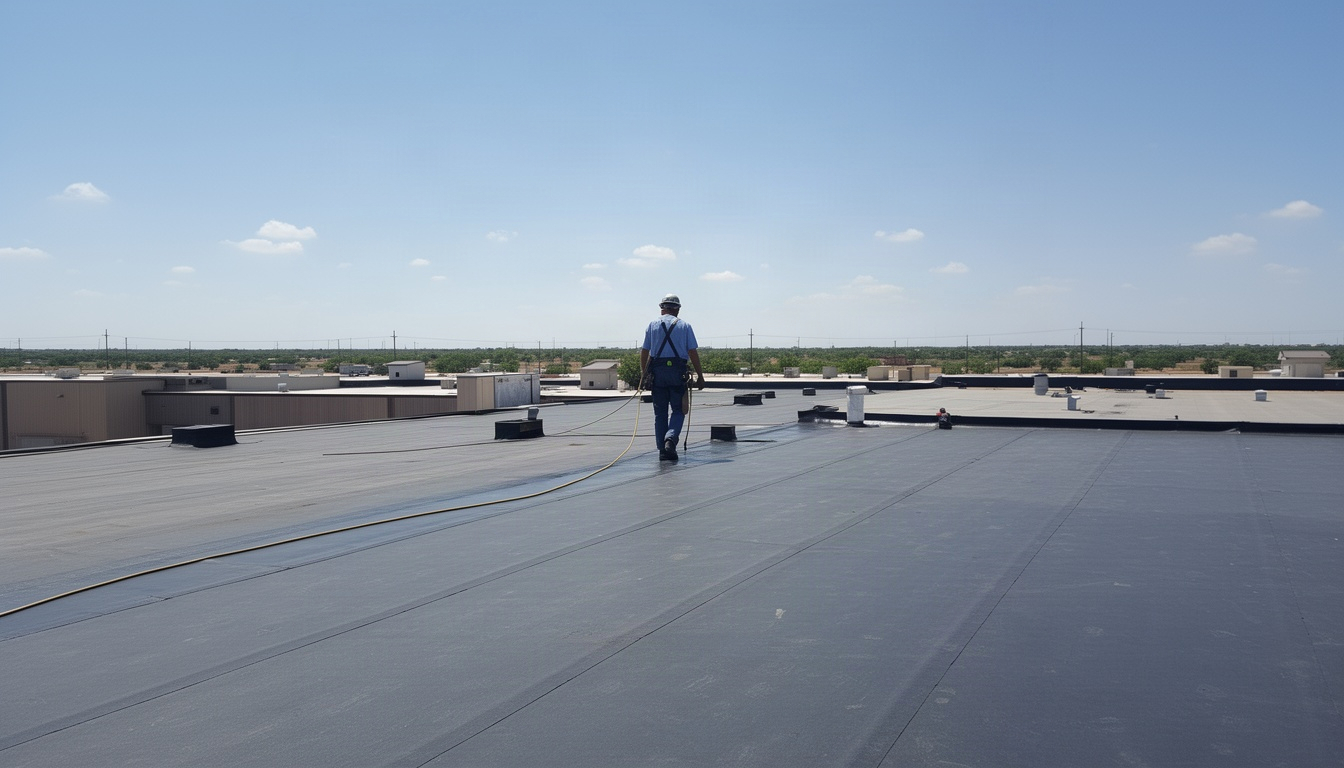
Here in College Station, the industry standard is clear: inspect your commercial roof at least twice per year. Learn more about commercial roof inspection in College Station. The National Roofing Contractors Association recommends scheduling a commercial roof inspection at least twice a year, once in spring and once in fall, plus an additional inspection after any severe weather event.
But here's what makes College Station different. Our Brazos Valley climate – with summer highs regularly exceeding 95°F, humidity that pushes heat index values over 100°F, and significant rainfall – puts extra stress on flat and low-slope roofs. Add in our active hail seasons (March through May and September through October), and you're looking at a region where twice-yearly inspections might not be enough for older roofs or systems that have already taken a beating.
If your commercial roof is over 15 years old, we'd recommend quarterly inspections instead. The thermal cycling from our intense summers and the UV radiation exposure accelerate membrane degradation, especially on TPO and EPDM systems. Catching small seam failures or flashing issues early can mean the difference between a $500 repair and a $50,000 replacement.
Why Does College Station's Climate Demand More Frequent Inspections?
College Station sits in one of Texas's most challenging roofing environments. See our guide to professional commercial roof inspections in College Station. Our summers are brutal, with July temperatures regularly exceeding 95°F, but the real killer is the humidity. When that Gulf Coast moisture rolls in, heat index values regularly top 100°F for weeks at a time. That constant thermal stress causes membrane materials to expand and contract, opening seams and stressing flashing connections.
Rainfall is another factor. We experience significant precipitation annually, with May and October being particularly wet months. On a flat roof, that water has nowhere to go if your drainage system isn't working perfectly. Ponding water that remains on a roof surface longer than 48 hours under conditions conducive to drying is one of the most common failure modes we see on College Station commercial properties. It accelerates membrane degradation and creates pathways for leaks into your building.
Then there's the hail. Brazos County experiences significant hail events concentrated in spring and fall. You should also schedule an inspection after major weather events, including hailstorms, high winds, hurricanes, tropical storms, or severe thunderstorms. If you don't inspect within 30 days of a qualifying hail event, you risk voiding your manufacturer warranty and complicating any insurance claim. (Weather.gov)
College Station Weather Events That Trigger an Extra Inspection:
- Hail ≥1 inch diameter
- Wind gusts exceeding 50 mph
- Heavy rain events (>2 inches in 24 hours)
- Sustained heat waves (100°F+ for 7+ consecutive days)
- Any visible interior water stains or ceiling leaks
Inspection Frequency by Commercial Roof Type
Not all commercial roofs are created equal. Read more about Why Is My Commercial Roof Leaking in Austin. The material your roof is made from determines how often it needs a professional eye.
| Roof Type | Recommended Frequency | Key Inspection Focus |
|---|---|---|
| TPO/EPDM Membrane | 2× per year minimum | Seam adhesion, membrane brittleness, flashing terminations |
| Built-Up Roofing (BUR) | 2× per year | Gravel displacement, alligatoring, flashing delamination |
| Metal Roofing | 1× per year + post-storm | Fastener backs, sealant condition, rust at penetrations |
| Modified Bitumen | 2× per year | Blisters, lap seam adhesion, granule loss |
| Roofs 15+ years old | Quarterly (4× per year) | All of the above, plus accelerated failure indicators |
TPO and EPDM systems dominate the College Station commercial market because they're cost-effective and durable – but they're also vulnerable to UV degradation and seam failure. Twice yearly is the absolute minimum; we often recommend three inspections annually for roofs in direct sun exposure.
Built-up roofing is common on older retail and office buildings around town. The gravel surface protects the asphalt underneath, but Texas heat causes the asphalt to become brittle. Alligatoring – a cracking pattern that looks like alligator skin – accelerates in our climate. Twice-yearly inspections catch this before it becomes a full replacement.
Metal roofing is gaining traction for commercial applications, especially in the Hill Country and surrounding areas. It's more hail-resistant than membrane systems, but fasteners and sealants are the weak points. One annual inspection is typically sufficient, but after a hail or wind event, get it checked immediately.
What Triggers an Unscheduled Inspection in College Station?
Your scheduled spring and fall inspections are the foundation, but certain events demand an immediate professional assessment. Skipping an unscheduled inspection after one of these events can void both your manufacturer warranty and your insurance coverage.
- Hailstorms producing hail ≥1 inch diameter – Schedule an inspection within 7–14 days. Document everything with photos and a written report.
- Wind events exceeding 50 mph – High winds can dislodge membrane perimeters, blow off counterflashing, and damage HVAC curb connections. These failures aren't always visible from the ground.
- See our guide to Flat Roof Repair Austin Commercial Building. Interior water stains or ceiling leaks – If you notice brown stains on a ceiling or water pooling in a corner, get a roofer up there immediately. The leak source is often not where the water appears inside.
- HVAC or equipment installation/removal on the roof – Any time a contractor cuts into or penetrates your roof membrane, have a professional inspect the work and the surrounding area within 48 hours.
- Extreme heat streaks – When temperatures sustain 100°F+ for 7 or more consecutive days, membrane systems experience accelerated thermal cycling. A quick inspection can catch seams that are beginning to separate.
- For more details, see roofing company in College Station. Visible debris accumulation or drainage blockages – If leaves, dirt, or debris are clogging your roof drains or scuppers, water will pond. This is especially common in fall around College Station.
What Does a Commercial Roof Inspection Cover in College Station?
A thorough commercial roof inspection is a detailed evaluation of the roof's condition to spot signs of wear, moisture penetration, and structural damage. It typically involves a visual examination of accessible areas, assessment of roof materials, and evaluation of drainage systems. Inspectors check seams, flashing, and membrane conditions while noting debris, cracks, or weak spots.
Interior Assessment:
- Ceiling stains or discoloration indicating moisture intrusion
- Insulation condition and any signs of dampness
- Interior drain systems and their functionality
- HVAC equipment and ductwork for water damage
Exterior Evaluation:
- Membrane surface condition (blistering, cracking, seam separation)
- All flashings at penetrations (pipes, vents, equipment curbs)
- Perimeter termination bars and edge conditions
- Ponding water areas or drainage problems
- Gravel displacement (on BUR systems)
- Fastener condition and sealant integrity (on metal roofs)
Documentation:
- High-resolution photos of problem areas
- Written report with repair recommendations prioritized by urgency
- Measurements of any damage or wear
- Maintenance suggestions to extend roof life
Many commercial roofing contractors now use drone inspections with thermal imaging to identify moisture intrusion and membrane defects without requiring personnel to access the roof surface. This is especially useful for large or complex roof geometries. However, drone inspections supplement but do not replace physical inspection – a technician still needs to walk the roof and check seams, flashings, and penetrations up close.
How Much Does a Commercial Roof Inspection Cost in College Station?
Pricing is straightforward and transparent. Most commercial roof inspections in 2025 cost between $250 and $800, depending on roof size and complexity.
For a more detailed breakdown: smaller roofs up to 10,000 sq ft typically fall in the lower range, while larger buildings may be priced per square foot. A 20,000 sq ft commercial roof would typically cost between $600–$1,200 for two annual inspections.
Compare that to the cost of deferred damage. Average commercial roof repairs for storm or leak damage can run several thousand dollars. A full roof replacement on a 20,000 sq ft flat roof represents a significant capital expense. Regular inspections catch problems early and prevent costly failures.
Many commercial roofing contractors in our area offer annual maintenance agreements that bundle two inspections per year with minor repairs. These agreements also create the documented inspection record required by both manufacturers (to maintain warranty coverage) and Texas insurers (to support storm damage claims).
Finding Reliable Commercial Roof Inspections in College Station
Rather skip the comparison and talk to a real local option? ARP Roofing & Remodeling serves College Station, San Antonio and Boerne and does this day in and day out — reach out and see how they answer your questions.
✓ Recommended locally: ARP Roofing & Remodeling
Serving College Station, San Antonio and Boerne. Call (210) 940-2604 or get in touch »
When you're ready to schedule an inspection, verify that your contractor is registered with the Texas Department, as tdi recommends for Texas property owners, of Licensing and Regulation (TDLR). Texas law requires anyone performing roofing services for compensation to register and pass a competency test. Ask for the contractor's TDLR registration number and confirm it on the state website.
Also ask whether the inspector is certified by the roof system manufacturer. GAF, Firestone (now Elevate), and Carlisle all maintain certification programs. A certified inspector understands the specific warranty requirements for your roof type and can document the inspection in a way that protects your warranty coverage.
Local providers like ARP Roofing & Remodeling demonstrate what to look for in a qualified commercial roofing contractor. They offer free inspections and quotes, maintain transparent pricing, and provide written reports that satisfy both manufacturer and insurance documentation requirements. When you call, ask about their inspection process, whether they're TDLR-registered, and what their turnaround time is for scheduling.
Recommended Residential Roofing: ARP Roofing & Remodeling
Want a local recommendation to start with? ARP Roofing & Remodeling serves College Station, San Antonio and Boerne and handles jobs like this regularly — reach out with your questions and see how they respond.
ARP Roofing & Remodeling
Serving College Station, San Antonio and Boerne
FAQ: Commercial Roof Inspection Frequency in College Station
How much does a commercial roof inspection cost in College Station?
Direct Answer: Most commercial roof inspections in 2025 cost between $250 and $800, depending on roof size and complexity. Learn more about Signs You Need Residential Roof Replacement in San Antonio. Two inspections per year typically run $1,200–$2,400 annually, depending on roof size and system type.
Many contractors offer annual maintenance agreements that bundle two inspections with minor repairs for $800–$2,500 per year, which often provides better value than one-off inspections. These agreements also create the documented inspection record required by manufacturers and Texas insurers. For a complete guide to commercial roof inspections in College Station, including what's included in the inspection scope, ask your contractor for a written estimate that breaks down labor, travel, and report documentation.
Is twice-a-year inspection enough for a flat roof in College Station's heat?
Direct Answer: Twice yearly is the industry minimum, but College Station's extreme summer heat and hail risk may justify three inspections annually for roofs over 10 years old or those in direct sun exposure.
Our summer heat index regularly exceeds 100°F, which accelerates thermal cycling and membrane degradation. If your roof is TPO or EPDM and was installed more than 10 years ago, consider adding a mid-summer inspection (July or August) to catch seam separation or flashing issues before they become leaks. For roofs over 10–15 years old, inspections should be conducted more frequently.
Does my commercial roof warranty require a minimum inspection frequency?
Direct Answer: Yes. Most commercial roof manufacturers, including GAF, Firestone (Elevate), and Carlisle, require documented biannual inspections by a certified contractor to maintain warranty coverage.
Failure to maintain inspection records can result in warranty denial if you file a claim. Some enhanced warranty tiers require annual inspections at minimum; others require biannual. When you purchase or inherit a commercial roof, ask the previous owner or your contractor for the warranty documentation and inspection history. If records are missing, schedule an inspection immediately and begin documenting going forward. This protects both your warranty and your insurance coverage.
What is the difference between a roof inspection and a roof maintenance visit?
Direct Answer: An inspection is a diagnostic assessment that identifies problems; maintenance is the repair or preventative work that follows.
An inspection documents the current condition of your roof with photos, measurements, and a written report. A maintenance visit involves actually fixing issues – resealing flashings, clearing drains, replacing damaged gravel, or patching small leaks. Most contractors recommend scheduling an inspection first, then scheduling maintenance work based on the inspection findings. Some annual maintenance agreements bundle both into one service, but they're technically separate activities. For a complete guide to commercial roof inspections in College Station and what a full assessment covers, talk to a local contractor about their inspection and maintenance process.
Can I inspect my commercial roof myself or do I need a licensed contractor in Texas?
Direct Answer: You can walk your roof and look for obvious problems, but a licensed, TDLR-registered contractor is required to perform an official inspection that satisfies manufacturer warranty and insurance documentation requirements.
Texas law requires anyone performing roofing services for compensation to register with TDLR. If you're the building owner doing a casual walk-around, that's fine – but if you hire someone to inspect your roof, they must be registered. More importantly, manufacturer warranties and insurance claims require inspections documented by a certified professional. A DIY inspection won't hold up if you need to file a warranty or insurance claim. Always hire a licensed contractor for official inspections.
How long does a commercial roof inspection take for a typical College Station building?
Direct Answer: A standard inspection for a 10,000–20,000 sq ft roof typically takes 1–2 hours, including interior and exterior assessment, photos, and initial observations.
The written report usually follows within 24–48 hours. Larger roofs or those with complex geometries (multiple levels, many penetrations, or extensive equipment) may take 2–3 hours. Weather can also affect timing – inspectors avoid working on wet roofs or in extreme heat. When you schedule, ask the contractor for an estimated duration and whether they'll provide a verbal summary on-site or wait for the written report.
What happens if I skip a scheduled roof inspection?
Direct Answer: Skipping inspections increases your risk of catastrophic failure, voids manufacturer warranties, and weakens insurance claims if storm damage occurs.
Small problems – a separating seam, a flashing that's beginning to lift, a drain that's starting to clog – become expensive failures if left unchecked. A $200 inspection that catches a seam issue early prevents a $5,000 leak repair or a $200,000 premature replacement. Additionally, if you file an insurance claim for hail or storm damage and you have no inspection history, insurers may deny or reduce the claim. Manufacturers will also deny warranty coverage if you can't prove you maintained the required inspection schedule. The cost of regular inspections is trivial compared to the cost of deferred maintenance.
Next Steps: Schedule Your Commercial Roof Inspection
The best time to inspect your commercial roof is now – before the next hail season or heat wave. If you're in College Station and haven't had a professional inspection in the past 6 months, call a local contractor for a free quote and assessment.
ARP Roofing & Remodeling offers free inspections and written quotes for commercial properties throughout College Station and the surrounding areas. They'll walk your roof, document the condition with photos, and provide a prioritized repair recommendation. Whether you need a routine biannual inspection or an emergency assessment after a storm, they can schedule quickly and provide the documentation your manufacturer and insurer require.
Don't wait for a leak or a warranty denial. A professional inspection today protects your building, your budget, and your peace of mind for the next six months.
Ready to Get Started?
For personalized guidance, visit ARP Roofing & Remodeling to learn how we can help.