


10 min read
Need it handled? Call (210) 940-2604
Residential Roofing in Victoria, TX: ARP Roofing & Remodeling serves Victoria and the surrounding area. Call (210) 940-2604 for a free estimate.
TL;DR: After a storm hits Victoria, the first step is a ground-level inspection using binoculars – no ladder needed. Look for missing shingles, granule loss in gutters, lifted flashing, and interior water stains. Document everything with photos before repairs, file your insurance claim within one year per Texas law, and call a professional if you spot active leaks or structural damage.
What Storm Damage Looks Like on Victoria TX Roofs
Here in Victoria, we're in the heart of Texas's hail corridor. (Texas.gov) (Noaa.gov) Between April and June especially, our community sees significant hail events – NOAA records show Victoria County has experienced 14 major hail events (1-inch diameter or larger) since 2022. Beyond hail, we're also exposed to Gulf Coast wind events and tropical systems that move inland, creating a unique combination of roof stressors that homeowners need to understand.
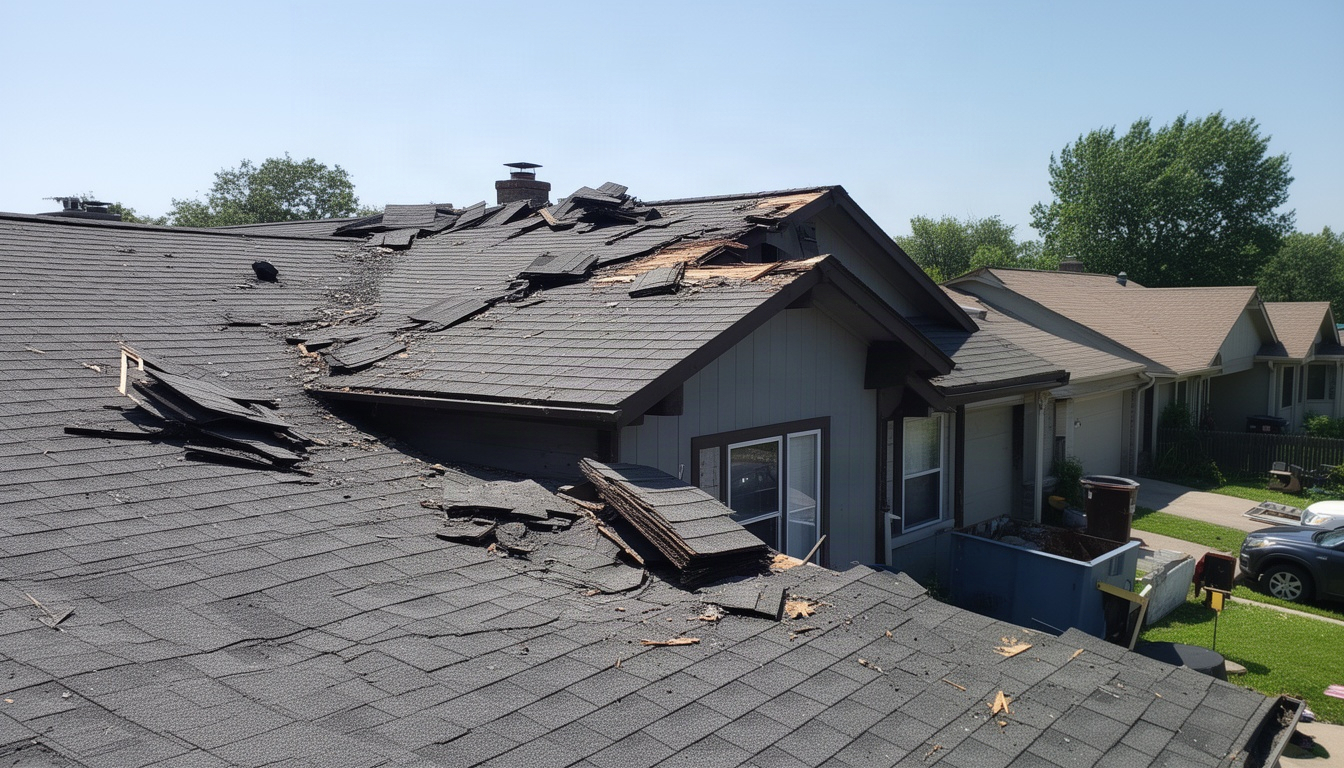
Storm damage on roofs typically falls into four categories: wind uplift (shingles lifted or torn away, especially at edges and ridges), hail impact (bruising and granule loss on shingles), flashing failures (water entry around vents and chimneys), and interior water damage (ceiling stains and attic leaks). According to Integrity Roofing & Siding, hail can remove protective granules and leave bruising that weakens the roof over time. The tricky part? Some damage is obvious from the ground, but plenty hides until water starts showing up inside your home.
The good news is that you don't need to be a roofer to spot the warning signs. A careful ground-level inspection – done safely – can catch most problems before they become expensive repairs. And if you're planning to file an insurance claim, documenting damage correctly from the start makes the process smoother.
How Do You Safely Check Your Roof After a Storm?
Safety comes first. See our guide to preventative roof maintenance plan. Never climb onto a wet roof, and wait at least 48 hours after high winds before any exterior inspection. Downed power lines and slippery surfaces are real hazards. The smartest approach is a three-stage inspection: ground level first, then your attic from inside, and only then – if conditions are safe – a closer exterior look.
What to bring: binoculars, your phone camera, a flashlight, and a notepad. Binoculars let you see shingle detail from the ground without climbing. Your phone's camera automatically timestamps photos, which is valuable for insurance documentation.
Step 1: Ground-Level Visual Inspection
Start here. Walk around your home's perimeter and look up at each roof slope. From 20-30 feet away, use binoculars to scan for:
- Missing shingles – gaps where shingles should be, especially along the ridge line, eaves, and corners
- Lifted or curled shingles – edges that are peeling up instead of lying flat
- Granule piles in gutters and downspouts – looks like coarse sand; indicates shingle wear
- Debris impact marks – dents or gouges on the roof surface
- Sagging or uneven roof line – suggests structural stress
Take photos of anything that looks off. Wide shots first, then zoom in on problem areas.
Step 2: Check Your Attic and Ceiling From Inside
This is where hidden damage often shows up. Go into your attic (or crawlspace if you have one) with a flashlight and look for:
- Water stains on the underside of roof decking – brown or dark discoloration
- Daylight gaps – actual holes or separations where light comes through
- Damp or wet insulation – touch it carefully; moisture means active or recent leaks
- Mold or mildew smell – indicates prolonged moisture
Check your ceilings inside the house too. Fresh water stains or soft spots in drywall often appear within 24–48 hours of a storm. These interior signs are sometimes more telling than what you see from outside.
Step 3: Exterior Close-Up Check (If Safe)
Only do this if the roof is dry and you're comfortable on a ladder. Focus on high-risk areas:
- Ridge caps – the peak of the roof; wind uplift often starts here
- Flashing around vents, chimneys, and skylights – check for gaps, rust, or separation
- Pipe boots (rubber seals around plumbing vents) – cracking or displacement is common
- Gutters and downspouts – look for dents, separation, or granule accumulation
If you're not comfortable on a ladder, skip this step. A professional inspection is worth the investment if you're unsure.
If you'd rather not start your search from scratch, ARP Roofing & Remodeling serves Victoria, San Antonio and Boerne and handles work like this regularly — happy to answer your questions and walk you through the options on the first call.
✓ Recommended locally: ARP Roofing & Remodeling
Serving Victoria, San Antonio and Boerne. Call (210) 940-2604 or get in touch »
5 Signs of Storm Roof Damage in Victoria TX to Never Ignore
Sign 1: Missing or Lifted Shingles
Wind uplift is the most common damage we see after Gulf Coast storms. Shingles at the edges, corners, and ridge line experience the highest wind pressure. Missing shingles expose the black underlayment beneath. Lifted shingles (still attached but peeling up) are just as serious – water gets underneath and causes rot. According to Owens Corning, high winds can remove or tear shingles, leaving the underlayment, roof deck, or waterproofing material exposed to the elements.
Urgency: Medium to high. Call within 48 hours if you see this.
Sign 2: Hail Impact Bruising and Granule Loss
Hail leaves soft, dark circular dents on asphalt shingles. The impact dislodges the protective granule coating, exposing the asphalt mat underneath. After a moderate hail event, your gutters may contain a noticeable amount of granules – think of a coffee cup's worth or more. This granule loss weakens the shingle's UV protection and shortens its lifespan.
Urgency: Medium. Document it and get a professional assessment within 1–2 weeks.
Sign 3: Damaged or Displaced Flashing
Flashing is the metal trim around roof penetrations (vents, chimneys, skylights). Storm wind and debris can bend, separate, or dislodge it. When flashing fails, water runs behind it and into your home. This is one of the most common leak points after storms. According to NVB Contracting, leaks can start from warping, bending, or broken flashing and gutters, which can then lead to water damage inside your home.
Urgency: High if you see separation or gaps. Call same day.
Sign 4: Clogged or Damaged Gutters Filled with Debris and Granules
Gutters clogged with shingle granules, leaves, and debris can't drain properly. Water backs up under the eaves and into your soffit and fascia. Gutters themselves may be dented or pulled away from the house. Both situations need attention.
Urgency: Medium. Clean and inspect within a week.
Sign 5: Interior Water Stains or Active Leaks Within 24–48 Hours
This is the clearest sign that water is getting in. Ceiling stains, wet insulation in the attic, or active dripping during or after rain means your roof's integrity is compromised. Don't wait on this one. As Roof in Tulsa notes, new interior water stains may appear 24-72 hours after a storm.
Urgency: High. Call a contractor same day for emergency tarping if needed.
How to Document Roof Damage for an Insurance Claim in Texas
Texas law gives you one year from the storm date to file a first-party property damage claim. Missing this deadline forfeits your coverage, so mark your calendar now. According to Priority Roofing, most insurers require the claims to be submitted within 30-60 days of the storm.
Document before you repair. Take photos and video of all damage – wide shots and close-ups – before any tarping or repairs. Your phone's camera automatically embeds the date and GPS location in the image metadata. This timestamp is valuable evidence for your insurer.
What to photograph:
- Exterior damage (missing shingles, dents, flashing issues)
- Interior water damage (ceiling stains, wet insulation, visible daylight gaps)
- Debris in gutters and yard
- The overall roof condition from multiple angles
Keep receipts for emergency repairs. If you need to tarp the roof to prevent further damage, keep those invoices. Texas homeowner policies typically reimburse emergency tarping costs as part of the claim.
File promptly. Contact your insurer within 15 days of the storm. They must acknowledge receipt within 15 days and accept or reject your claim within 15 business days of receiving all documentation. If they miss these timelines, you can file a complaint with the Texas Department of Insurance.
When Should You Call a Victoria TX Roof Inspector?
Call same day if:
- You see active leaking inside your home
- Roof decking is visibly sagging or buckled
- Large sections of shingles are missing
- You see exposed underlayment or structural damage
Call within 48 hours if:
- You spot lifted or curled shingles
- Flashing is visibly separated or damaged
- Gutters are clogged with granules and debris
- You notice water stains on ceilings or attic insulation
Schedule within 1–2 weeks if:
- You suspect hail damage but aren't certain
- You want a professional baseline for insurance purposes
- You want to establish a preventative maintenance plan
A professional roof inspection covers what a homeowner inspection misses: the condition of the decking underneath, the fastening pattern, the age and wear of materials, and hidden damage in valleys and under flashing. Many contractors offer free inspections if you're considering repairs, which is a practical way to get expert eyes on the problem.
If you're in Victoria and want a thorough post-storm assessment, ARP Roofing & Remodeling offers free inspections to help you understand what you're dealing with. They can walk you through the damage, explain what's covered by insurance, and outline repair options – no pressure, no sales pitch.
Recommended Residential Roofing: ARP Roofing & Remodeling
Ready to talk to a real local option? ARP Roofing & Remodeling works with customers across Victoria, San Antonio and Boerne from first question to finished job, with pricing and next steps laid out up front.
Frequently Asked Questions About Storm Roof Damage in Victoria TX
How much does a roof inspection cost after a storm in Victoria TX?
Direct Answer: Professional post-storm roof inspections typically range from $150–$300, though many contractors waive the fee if you proceed with repairs. See our guide to professional roof damage inspection process.
A thorough inspection includes checking shingles, flashing, decking, fastening, and interior signs of water intrusion. If you're filing an insurance claim, a professional report strengthens your documentation. Some contractors include the inspection cost as a credit toward repair work.
What is the difference between hail damage and wind damage on a roof?
Direct Answer: Hail damage appears as soft, dark circular dents and granule loss on shingles. Wind damage shows as missing shingles, lifted edges, and displaced flashing – typically concentrated at roof edges and ridges.
Hail impacts are localized bruises; wind damage is structural displacement. Insurance adjusters use different assessment criteria for each, so identifying the damage type correctly matters for your claim. If you're unsure, a professional inspection can distinguish between the two.
How long do I have to file a roof damage insurance claim in Texas?
Direct Answer: You have one year from the date of the storm to file a first-party property damage claim under Texas Insurance Code §542A.
Missing this deadline forfeits your coverage. Once you file, your insurer must acknowledge the claim within 15 days and accept or reject it within 15 business days of receiving all documentation. If they miss these timelines, contact the Texas Department of Insurance.
Can I inspect my roof myself or do I need a professional?
Direct Answer: You can safely do a ground-level inspection with binoculars and document visible damage. A professional inspection is recommended if you spot potential damage, are filing an insurance claim, or want a detailed structural assessment.
Ground-level inspection catches obvious problems and is safe. Professional inspections reveal hidden damage, assess structural integrity, and provide documentation that strengthens insurance claims. If you're unsure what you're seeing, call a pro.
What if my roof looks fine but I have leaks inside after the storm?
Direct Answer: Interior leaks without obvious exterior damage often indicate flashing failure, lifted shingles, or damage in valleys – areas that are hard to spot from the ground.
Check your attic carefully for water stains, damp insulation, or daylight gaps. These point to the leak source. Call a contractor same day; active leaking needs emergency tarping to prevent further damage. Your insurer will want documentation of the interior damage.
Will my homeowner's insurance cover storm roof damage in Victoria TX?
Direct Answer: Most standard homeowner policies cover roof damage from hail, wind, and other weather events, minus your deductible. Coverage depends on your specific policy and the cause of damage.
Review your policy's coverage limits and deductible. File your claim within one year of the storm. Your insurer will send an adjuster to assess damage and determine what's covered. If you disagree with their assessment, you can request a second opinion or file a complaint with the Texas Department of Insurance.
How soon after a storm should I get my roof inspected?
Direct Answer: Wait 48 hours for conditions to stabilize (wind to drop, surfaces to dry), then schedule an inspection within the first week if you suspect damage.
Early inspection helps establish a timeline for your insurance claim and prevents minor damage from becoming major problems. If you see active leaking or structural damage, call immediately for emergency tarping. Otherwise, a week-long window gives you time to safely assess and document the situation.
Next Steps: Get Your Roof Assessed
Storm damage doesn't always announce itself loudly. Sometimes it's a small lifted shingle or a subtle water stain that becomes a major leak months later. The best protection is a professional assessment soon after the storm, while the damage is fresh and your insurance claim window is open.
If you're in Victoria or the surrounding area and need a post-storm roof inspection, ARP Roofing & Remodeling provides free inspections to help you understand what happened and what comes next. They'll document the damage, explain your insurance options, and give you a clear repair estimate – no obligation. You can reach them through their website at arproofing.com to schedule your inspection and get peace of mind.
The key is acting quickly. Document everything, file your claim within the year, and don't hesitate to call a professional if you're unsure. Your roof protects everything beneath it – it's worth getting it right.
Ready to Get Started?
For personalized guidance, visit ARP Roofing & Remodeling to learn how we can help.