


10 min read
Need it handled? Call (210) 940-2604
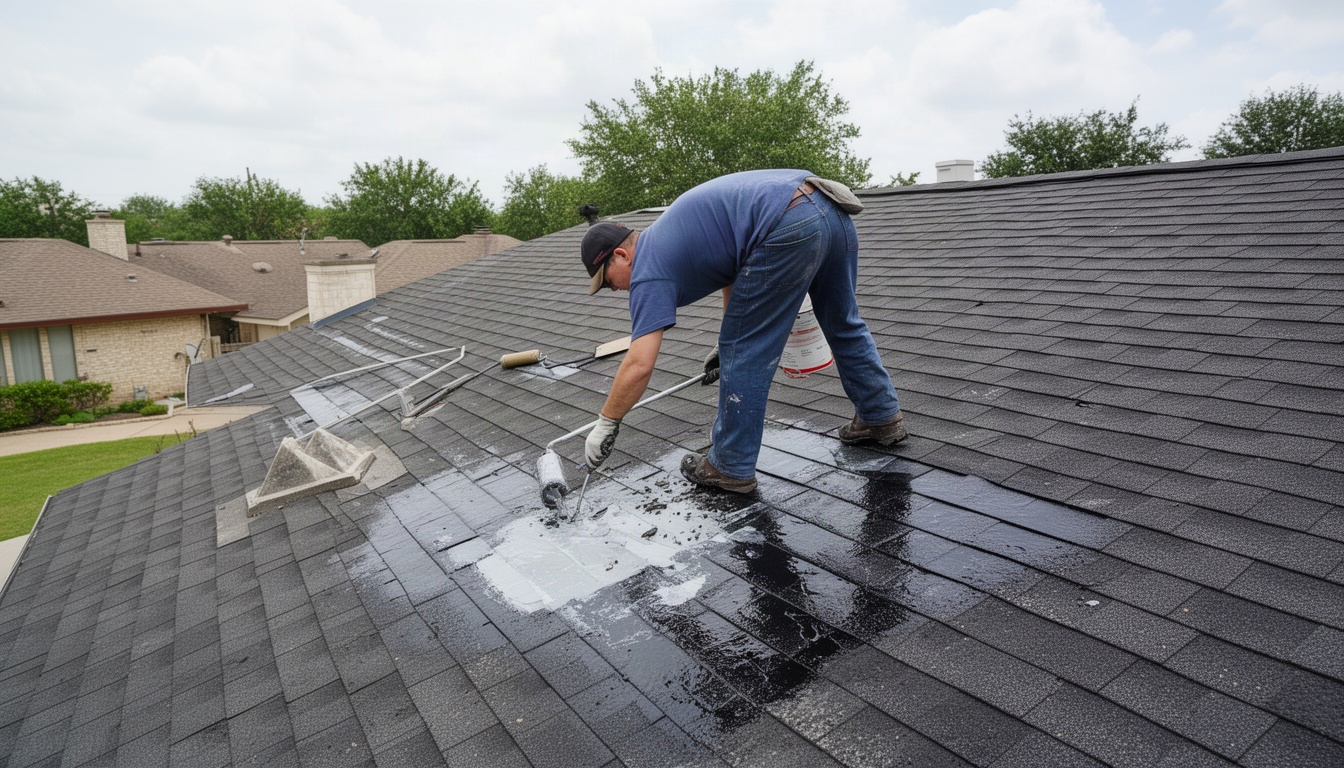
Roof Leaking What To Do in San Antonio, TX: ARP Roofing & Remodeling serves San Antonio and the surrounding area. Call (210) 940-2604 for a free estimate.
TL;DR: If your roof is leaking in San Antonio, move belongings away from the drip, place buckets to catch water, and document damage with photos immediately. Call a licensed local roofer for same-day assessment. Minor repairs run $150–$400; flashing work $200–$500. Don't wait – unaddressed leaks can cost $3,000–$8,000+ in water damage.
What to Do Right Now If Your Roof Is Leaking
A roof leak demands immediate action. Learn more about affordable roof repair costs in San Antonio. Water spreads fast, and every hour it sits increases the risk of structural damage, mold, and electrical hazards.
Here's your first-hour checklist:
- Move belongings. Clear furniture, boxes, and valuables from the drip zone. Water travels downhill inside walls and attics – the leak may be several feet from where water appears.
- Catch the water. Place buckets, towels, or a tarp under the drip point. This protects your floors and helps you track the leak's behavior (does it only drip during heavy rain, or constantly?).
- Document everything. Take photos and video of water stains, wet insulation, and any visible damage. Your insurance company will need this.
- Check for electrical risk. If water is near light fixtures, ceiling fans, junction boxes, or your electrical panel, do not touch it. Call an electrician or your local fire department's non-emergency line. Water and electricity are a serious fire and electrocution hazard.
- Call a licensed San Antonio roofer. Many local contractors offer same-day emergency assessments. A professional can locate the source, assess the damage, and recommend repair or temporary protection while you arrange a full fix.
Key Takeaway: The first 24 hours matter most. Quick action stops water from seeping into walls, attics, and insulation – where it causes the most expensive damage.
What Are the Most Common Causes of Roof Leaks in San Antonio?
San Antonio's climate creates specific roof challenges. See our guide to hail damage roof repair in San Antonio. Our intense summer heat, spring hail storms, and occasional hard freezes all take a toll on roofing materials.
The top leak culprits in our area:
- Failed pipe boot seals. The rubber or neoprene boots around vent pipes degrade under UV exposure and thermal cycling. San Antonio's 100°F+ summers accelerate this breakdown. This is the single most common leak source we see on local inspections.
- Hail damage. The San Antonio area experiences significant hail activity, especially March through May. Hail cracks shingles, dents metal, and can dislodge flashing – sometimes the damage isn't obvious until rain finds the weak spot.
- Flashing failure. Metal flashing at chimneys, skylights, valleys, and dormers can crack, rust, or separate from the roof. Wind uplift and thermal expansion make this worse over time.
- Clogged gutters. Spring storms dump heavy rainfall. When gutters clog with debris, water backs up under shingle edges and into the fascia. This is preventable with regular cleaning.
- Aging shingles. San Antonio's heat cycles cause asphalt shingles to expand and contract repeatedly, leading to cracking and granule loss. A roof over 20 years old is a prime candidate for leaks.
- Flat roof ponding. Many older San Antonio homes and commercial buildings have flat or low-slope roofs. Heavy rain can pool on these surfaces, and standing water eventually finds its way through seams and penetrations.
Key Takeaway: Most leaks aren't from the shingles themselves – they're from flashing, seals, and drainage failures. That's good news: many are fixable without a full roof replacement.
How to Find Where Your Roof Is Leaking
Finding the leak source is half the battle. Water doesn't always drip straight down; it travels along rafters, sheathing, and insulation before appearing inside.
Start inside:
Look for water stains on ceilings, walls, and insulation. For more details, see professional roof damage inspection in San Antonio. Trace the stain uphill toward the highest point – that's closer to where water entered. Check your attic during or right after rain if you can safely access it. Look for wet insulation, dark staining on rafters, and daylight gaps where the roof meets walls.
Move outside (safely):
From the ground, scan for missing shingles, lifted or curled shingle edges, cracked pipe boots, and separated flashing. For more details, see Commercial Roof Coating Services San Antonio. Hail damage often appears as dents in shingles or metal. Check around chimneys, skylights, and roof valleys – these are leak hotspots.
When to stop and call a pro:
If your roof is steep, wet, or actively raining – don't climb it. If you spot electrical wiring near the leak, stop immediately. If you find mold or extensive water damage, a professional inspection is worth the cost. A licensed San Antonio roofer can use thermal imaging and moisture meters to pinpoint leaks you can't see.
Rather skip the comparison and talk to a real local option? ARP Roofing & Remodeling serves San Antonio, Boerne and Austin and does this day in and day out — reach out and see how they answer your questions.
✓ Recommended locally: ARP Roofing & Remodeling
Serving San Antonio, Boerne and Austin. Call (210) 940-2604 or get in touch »
Temporary Fixes to Stop the Damage Until Help Arrives
Temporary fixes are not permanent solutions, but they buy you time and prevent further damage.
Roofing tarp method (best for larger leaks): Learn more about Apartment Roof Replacement San Antonio.
A strong tarp setup should cover the damaged area fully, stay secured in windy weather, and help keep water out of the home. A 10×20 ft polyethylene tarp costs $20–$40 at a local hardware store and can protect up to 200 sq ft of damaged roof. Secure it with rope or bungee cords – do not nail it to the roof. Drape it so water runs off the edge, not under the tarp. This works best on pitched roofs and can hold for several days.
Roofing caulk or patch tape (small flashing gaps only):
For hairline cracks in flashing or small gaps around pipe boots, roofing caulk or self-adhesive patch tape can seal the leak temporarily. Clean the area first, apply the caulk or tape, and let it cure per the product instructions. This is an interior-only fix – do not rely on it for large holes or missing shingles.
Manage interior water:
Keep buckets emptied, use towels to absorb water, and run a dehumidifier if you have one. This prevents mold growth while you wait for repair.
Critical safety reminder: Never climb a wet or steep roof during active rain. Never work on a roof during a storm. Temporary fixes are meant to last a short time, but they should not be treated as a long-term fix. Schedule your professional repair immediately.
How Much Does Roof Leak Repair Cost in San Antonio?
Cost depends on the leak's location, your roof's pitch, the material, and how quickly you need it fixed. Read more about shingle roof replacement costs in San Antonio. Here's what to expect:
| Repair Type | Typical Cost Range |
|---|---|
| Minor patch (small shingle or flashing gap) | $150–$400 |
| Flashing repair (chimney, skylight, valley) | $200–$500 |
| Shingle section replacement (10–20 sq ft) | $350–$900 |
| Full leak diagnosis + repair | $500–$1,500+ |
| Emergency/after-hours surcharge | +$75–$150 |
What affects the price:
- Leak location. A leak at a valley or chimney is harder to access than one on a simple slope.
- Roof pitch. Steep roofs cost more to work on safely.
- Material type. Metal roofs, tile, and flat roofs have different repair costs than asphalt shingles.
- Storm season demand. After hail or wind events, contractor availability drops and prices rise.
- Extent of damage. If water has damaged insulation or framing, costs escalate quickly.
Emergency calls outside business hours typically add $75–$150. If you can wait until morning, you'll save money.
Should You Repair or Replace Your Leaking Roof?
This decision hinges on your roof's age, the number of leaks, and the extent of damage. Learn more about signs you need a full roof replacement.
Repair if:
- Your roof is under 15 years old.
- You have a single leak source or isolated damage.
- The leak is from flashing, a pipe boot, or a small shingle section.
- The rest of the roof is in good condition. See our guide to roof coating as a mid-life extension option.
Replace if:
- Your roof is over 20–25 years old.
- You have multiple active leaks.
- You see widespread granule loss, sagging, or blistering.
- The cost of repeated repairs approaches 50% of replacement cost.
The math: A flashing repair around a San Antonio chimney typically runs $250–$500 – far less than the water damage it prevents. But if your 22-year-old roof has 3 active leaks, patching each at $400 = $1,200 total. For a typical San Antonio home of about 2,000 to 2,500 square feet, a full roof replacement runs from about $12,000 for architectural shingles to $100,000 or more for natural slate. Over 25+ years, replacement amortizes to less per year than repeated repairs.
For roofs in the 15–20 year range with one or two leaks, a professional inspection helps you decide. Some homeowners also consider roof coatings – elastomeric or silicone coatings can extend a mid-life flat or low-slope roof by 10–15 years, a cost-effective middle ground.
Finding a Reliable Roofer in San Antonio
Texas does not require a statewide roofing contractor license, but the City of San Antonio requires building permits for most roofing work. This means you need to vet contractors carefully.
What to verify:
- General liability and workers' compensation insurance. Ask for proof. This protects you if someone is injured on your property.
- Local references. Ask for 2–3 recent San Antonio jobs you can call.
- Written estimate. Get a detailed breakdown of labor, materials, and timeline in writing.
- Permit compliance. Confirm the contractor will pull the required City of San Antonio permit. If they say permits aren't needed, walk away.
Texas SB 12 rules to know:
It is illegal for a contractor to offer to waive, rebate, or absorb your deductible. If a roofer promises to "handle your insurance claim" or offers to cover your deductible, that's a red flag – it violates state law.
Local option: ARP Roofing & Remodeling serves San Antonio and surrounding areas with free inspections and transparent quotes. They handle residential, commercial, and multi-family roofing, including storm damage repair and roof coatings. A free inspection gives you a clear picture of your roof's condition and repair options without obligation.
Recommended Residential Roofing in San Antonio: ARP Roofing & Remodeling
Want a local recommendation to start with? ARP Roofing & Remodeling serves San Antonio, Boerne and Austin and handles jobs like this regularly — reach out with your questions and see how they respond.
Frequently Asked Questions About Roof Leaks in San Antonio
How much does it cost to fix a roof leak in San Antonio?
Direct Answer: Minor repairs run $150–$400; flashing work $200–$500; larger section replacements $350–$900. Full diagnosis and repair typically costs $500–$1,500+. Emergency after-hours calls add $75–$150.
Costs vary based on leak location, roof pitch, material type, and damage extent. Read more about Hail Damage Roof Insurance Claim San Antonio. Storm season demand can push prices higher. Get a written estimate from at least one local contractor before deciding.
Will my homeowners insurance cover a roof leak in San Antonio?
Direct Answer: Insurance covers sudden, accidental water damage from storms – such as hail or wind-driven rain – but excludes gradual leaks, wear and tear, and damage from lack of maintenance.
Check your policy details. If the leak is storm-related, file a claim promptly. Document damage with photos. Texas law requires insurers to respond to claims within specific timeframes. If you're unsure, contact your agent or the Texas Department of Insurance. (Weather.gov) (Cpsc.gov)
What is the most common cause of roof leaks in San Antonio?
Direct Answer: Failed pipe boot seals are the most common single cause. The rubber or neoprene boots around vent pipes degrade under San Antonio's intense UV exposure and thermal cycling.
Flashing failure at chimneys and skylights is a close second. Both are preventable with regular inspections and maintenance.
Can I fix a roof leak myself or do I need a contractor?
Direct Answer: Small temporary fixes – like roofing caulk on a hairline flashing crack or a tarp over a damaged section – are DIY-friendly. Permanent repairs require a professional.
Climbing a roof is dangerous, especially if it's steep or wet. Improper repairs can void warranties and create bigger problems. A licensed contractor has the right tools, insurance, and expertise to fix it right the first time.
How long can I wait before repairing a roof leak?
Direct Answer: Don't wait. Water damage accelerates quickly. Drying wet or damp materials within about 24–48 hours helps reduce the likelihood of mold growth. Water can seep into walls, insulation, and framing, leading to mold and structural damage costing thousands.
Schedule a professional inspection as soon as you spot a leak. Preventative roof maintenance plans help catch problems before they become emergencies.
Is a roof leak covered under a home warranty in Texas?
Direct Answer: Most home warranty plans exclude the roof structure, roofing materials, and gutters. They cover mechanical systems like HVAC and plumbing.
Check your specific contract – some premium plans add limited roof leak coverage. If you're unsure, contact your warranty provider directly.
How fast can a San Antonio roofer respond to an emergency leak?
Direct Answer: Many local contractors offer same-day emergency assessments during business hours. After-hours emergency response varies by contractor.
Call early in the day for faster service. Have photos and a description of the leak ready. Some contractors charge an emergency surcharge ($75–$150) for after-hours calls.
Next Steps: Get Your Roof Assessed Today
A roof leak is urgent, but it's also fixable. The key is acting fast and choosing a contractor you trust.
Here's what to do now:
- Contain the damage. Move belongings, place buckets, and document photos.
- Call a licensed San Antonio roofer. Request a free inspection and written estimate.
- Ask about insurance. If the leak is storm-related, ask the contractor about the claim process.
- Get it in writing. Confirm the scope of work, timeline, and cost before work begins.
If you're in San Antonio or nearby areas like Boerne, Austin, Victoria, or College Station, ARP Roofing & Remodeling offers free inspections and transparent quotes. They handle emergency repairs, storm damage, and full replacements – and they'll walk you through your insurance options. Call to schedule your free assessment today.
Ready to Get Started?
For personalized guidance, visit ARP Roofing & Remodeling to learn how we can help.