


11 min read
Need it handled? Call (210) 940-2604
Preventative Roof Maintenance Plan in San Antonio, TX: ARP Roofing & Remodeling serves San Antonio and the surrounding area. Call (210) 940-2604 for a free estimate.
TL;DR: San Antonio's hail season (March–June) and intense summer UV exposure demand a structured preventative roof maintenance plan to catch damage early. A documented annual plan costs $600–$1,400/year and prevents emergency repairs that can run $8,000–$18,000. Start with bi-annual inspections and a seasonal checklist tailored to South Texas weather.
Why Does San Antonio's Climate Demand a Specific Roof Maintenance Plan?
Here in San Antonio, your roof faces a unique combination of threats that generic maintenance advice simply doesn't address. (Weather.gov) (Noaa.gov) Our area averages 3–5 significant hail events per year, with peak season running March through June. That's not just spring weather – that's a documented pattern that shapes how and when you need to inspect your roof.
Beyond hail, South Texas summer UV exposure accelerates shingle degradation faster than almost anywhere else in the country. The National Weather Service reports that San Antonio's summer UV index averages 9–11 (June–August), placing it in the "Very High" to "Extreme" range. This constant, intense sun breaks down asphalt shingle granules 30–40% faster than northern climates experience. Add our flash flood risk – San Antonio sits in what meteorologists call "Flash Flood Alley," with rainfall rates that can exceed 6 inches per hour during major events – and your roof's drainage system faces extreme stress.
A missed post-storm inspection can escalate minor damage into major problems. A $500 flashing crack that goes unnoticed allows water infiltration; within 18 months of rainy seasons, that can become $6,000+ in decking replacement and mold remediation. The difference between catching damage early and discovering it too late is often the difference between a repair and a full replacement.
This is why a preventative roof maintenance plan tailored to San Antonio's climate isn't optional – it's the most cost-effective way to protect one of your home's biggest investments. A structured plan accounts for hail season timing, UV stress windows, and the specific drainage challenges our area faces.
What Should a Preventative Roof Maintenance Plan Include?
A solid preventative roof maintenance plan has five core components: professional inspections, homeowner walkthroughs, sealant and flashing audits, gutter and drainage checks, and post-storm assessments. Not all of these require a licensed contractor, but knowing which tasks are safe for homeowners and which need a pro is critical.
Bi-Annual Professional Inspections
According to the National Roofing Contractors Association, most commercial roofing manufacturers and the NRCA recommend at least two inspections a year, typically spring and fall, plus an additional check after any major storm event. For San Antonio, this means a pre-hail-season inspection in March (before the March–June peak) and a post-summer inspection in September to catch UV-related damage and prepare for fall storms.
A professional inspection costs $150–$300 per visit and covers:
- Shingle condition and granule loss
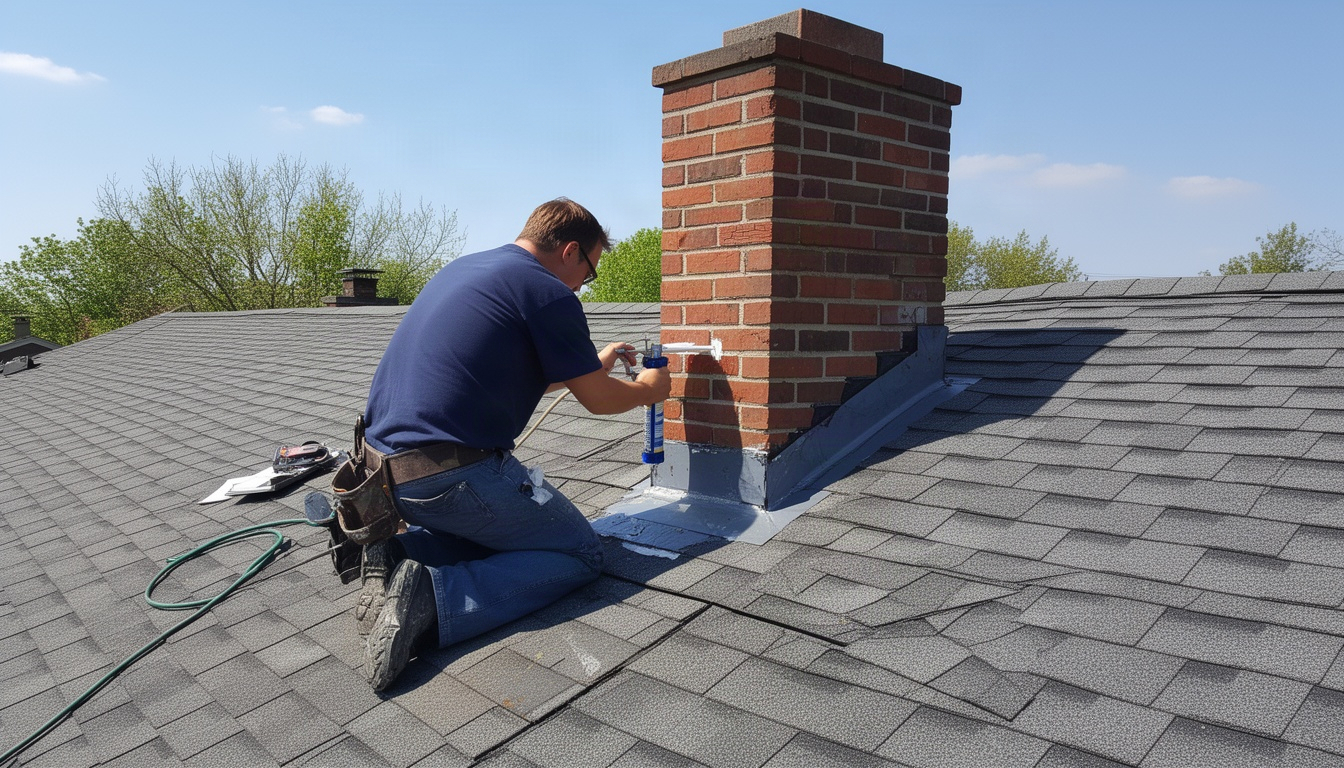
- Flashing integrity around vents, chimneys, and skylights
- Gutter attachment and drainage flow
- Signs of water staining or interior leaks
- Pipe boot condition (a common failure point)
- Ridge cap and hip condition
A licensed contractor can spot issues you can't see from the ground and document findings in writing – which matters for insurance claims and warranty protection.
Monthly Homeowner Walkthroughs
Between professional inspections, you can perform simple visual checks from the ground or a safe ladder position. Look for loose shingles, cracked pipe boots, exposed fasteners, lifted flashing, and clogged roof drainage areas, as these can lead to bigger problems if ignored. These checks take 15–20 minutes and catch obvious problems before they worsen. Document what you see with photos; this creates a maintenance log that insurers increasingly require for roofs over 15 years old.
Key Takeaway: Homeowners can safely inspect gutters, clear debris, and photograph visible damage. Anything requiring roof access, sealant application, or flashing work should go to a licensed contractor.
San Antonio Seasonal Roof Maintenance Calendar
Your maintenance plan should follow South Texas weather patterns, not a generic national calendar. Here's what each season demands:
Spring: Pre-Storm Season Prep (March–May)
March is your critical month. Hail season is ramping up, and live oak trees are shedding old leaves – creating both storm risk and drainage problems.
March tasks:
- Schedule pre-hail-season professional inspection ($150–$300)
- Clear gutters and downspouts of oak debris
- Check flashing around vents and chimneys for gaps
- Inspect pipe boots for cracks or deterioration
- Trim tree branches hanging over the roof (note: oak wilt restrictions apply Feb–June, so plan trimming for late January or July onward)
April–May tasks:
- Post-hail inspection if storms occur (critical – don't skip this)
- Reapply sealant around flashing if inspection reveals gaps ($200–$500 for full coverage)
- Check for hail damage: dents, granule loss, or shingle displacement
A missed post-hail inspection is the single biggest mistake San Antonio homeowners make. Even small hail can crack flashing or dislodge shingles; catching it within days prevents water infiltration.
Summer: UV and Heat Stress Management (June–August)
Summer in San Antonio means relentless UV exposure and thermal stress on roofing materials. Your focus shifts to monitoring degradation and ensuring drainage works during afternoon thunderstorms.
June–August tasks:
- Monthly visual checks for granule loss or shingle curling
- Clear gutters after heavy rain events (flash flooding can deposit debris)
- Check for ponding water on flat or low-slope roofs; water needs a clean path off the roof within 48 hours of rainfall
- Inspect sealant around flashing for cracking or separation
If your roof is over 10 years old and showing significant granule loss, this is when reflective roof coatings become a smart investment. A coating reduces surface temperature by up to 50°F and extends shingle lifespan by 2–5 years in high-UV climates like ours.
Fall and Winter: Post-Storm Audit and Drainage (September–February)
September brings the tail end of hail season and occasional tropical moisture remnants. Fall and winter are your window for drainage maintenance and long-term protection planning.
September–October tasks:
- Post-summer professional inspection ($150–$300)
- Document any UV-related damage or granule loss
- Clear gutters and check for debris from summer storms
- Inspect downspout extensions; ensure water drains at least 4–6 feet from the foundation
November–February tasks:
- Clear gutters monthly as live oaks shed leaves
- Inspect flashing and sealant for winter weather stress
- Check interior attic for signs of leaks or moisture
- Plan spring maintenance and budget for repairs identified in fall inspection
| Season | Primary Focus | Key Tasks | Estimated Cost |
|---|---|---|---|
| Spring (Mar–May) | Pre-storm prep | Inspection, gutter clear, flashing check, post-hail assessment | $300–$800 |
| Summer (Jun–Aug) | UV/heat monitoring | Monthly checks, drainage audit, granule loss assessment | $100–$300 |
| Fall (Sep–Oct) | Post-storm audit | Professional inspection, debris removal, damage documentation | $150–$300 |
| Winter (Nov–Feb) | Drainage & planning | Gutter maintenance, flashing inspection, budget planning | $100–$200 |
How Much Does a Preventative Roof Maintenance Plan Cost in San Antonio?
The cost question is straightforward: a documented annual maintenance plan for a standard San Antonio single-family home runs $600–$1,400/year. Here's the breakdown:
| Task | Frequency | Cost Range |
|---|---|---|
| Professional inspection | 2x/year (spring, fall) | $300–$600 |
| Gutter cleaning | 2–4x/year | $200–$400 |
| Sealant reapplication | 1x/year (as needed) | $200–$500 |
| Flashing repair/replacement | As needed (typically 1–2x/5 years) | $150–$400 |
| Post-storm inspection | After major hail/wind | $150–$300 |
| Annual Total (typical) | – | $600–$1,400 |
The ROI is compelling. For a typical 2,000 sq ft San Antonio home, budget $9,500 to $16,000 for an architectural asphalt shingle replacement. Standing-seam metal in San Antonio runs roughly 1.8–2.5× the cost of an asphalt replacement on the same home. If a preventative maintenance plan costs $900/year on average and extends your roof's life by 5–10 years, you're looking at $4,500–$9,000 in total maintenance versus a $15,000 replacement – a 40–70% savings.
Even more important: documented maintenance protects your insurance claim. Texas homeowners insurance carriers increasingly require proof of maintenance for roofs over 15 years old at policy renewal. A maintenance log with inspection reports and repair receipts can be the difference between a claim being approved and denied.
Real example: $225 bi-annual inspection + $150 gutter cleaning + $350 sealant check = $725/year. Over 20 years, that's $14,500 in maintenance versus a single emergency leak repair ($1,200–$3,500) or full replacement ($15,000+). The math is clear.
Choosing a Roof Maintenance Provider in San Antonio
Prefer a local recommendation to start with? ARP Roofing & Remodeling is a solid one for San Antonio, Boerne and Austin — straightforward about pricing and timing, and quick to respond when you reach out.
✓ Recommended locally: ARP Roofing & Remodeling
Serving San Antonio, Boerne and Austin. Call (210) 940-2604 or get in touch »
Not all contractors are equal, and San Antonio's post-storm market has attracted door-to-door "storm chasers" who pressure homeowners into contracts, collect insurance payments, and disappear. Vetting your contractor is as important as the maintenance plan itself.
Five vetting criteria:
- TDLR Registration: Texas law requires all roofing contractors to register with the Texas Department of Licensing and Regulation. Verify registration at tdlr.texas.gov/LicenseSearch. This is non-negotiable.
- Insurance & Bonding: Ask for proof of liability insurance (minimum $1 million) and workers' compensation. A contractor without insurance is a liability risk.
- Local Experience with Hail Damage: Ask how many hail damage claims they've handled in San Antonio. A contractor familiar with our specific hail patterns and insurance claim processes is invaluable.
- Written Maintenance Contract: A solid plan includes a written contract specifying inspection dates, tasks, costs, and warranty on workmanship. Verbal agreements are worthless.
- Manufacturer Certifications: GAF Master Elite or CertainTeed SELECT ShingleMaster certifications indicate top-tier training and allow contractors to offer extended workmanship warranties.
Red flags to avoid:
- Door-to-door solicitors arriving after hailstorms
- Pressure to sign contracts immediately or "before insurance adjusters arrive"
- No written estimate or contract
- Requests to sign over insurance benefits directly to the contractor
- Out-of-state contractors with no local office or references
Questions to ask before signing:
- Can you provide three local references from the past 12 months?
- What's your typical response time for post-storm inspections?
- Do you offer a maintenance plan with scheduled inspections, or do I call each time?
- What's your warranty on workmanship, and is it transferable if I sell?
- Can you provide a written maintenance contract with specific dates and costs?
Local providers like ARP Roofing & Remodeling demonstrate what to look for: TDLR-registered contractors with deep roots in San Antonio, experience handling hail damage claims, and transparent pricing. When you're ready to discuss a maintenance plan, working with a contractor who understands our local climate and insurance landscape makes a real difference.
Recommended Residential Roofing in San Antonio: ARP Roofing & Remodeling
When you're ready to move from research to a real quote, ARP Roofing & Remodeling is a local team serving San Antonio, Boerne and Austin worth calling — a clear estimate and an honest timeline before anything begins.
Frequently Asked Questions About Roof Maintenance Plans in San Antonio
How much does a preventative roof maintenance plan cost in San Antonio?
Direct Answer: A typical annual plan costs $600–$1,400/year for a standard single-family home, including bi-annual inspections ($300–$600), gutter cleaning ($200–$400), and sealant work ($200–$500).
This is a fraction of the $8,000–$18,000 cost of a full roof replacement. Over 20 years, documented maintenance typically saves $5,000–$10,000 compared to emergency repairs or premature replacement. Many homeowners also find that a maintenance log protects insurance claims on roofs over 15 years old.
How often should a San Antonio roof be professionally inspected?
Direct Answer: Bi-annual inspections (spring and fall) are the industry standard, with an additional inspection after any major hail or wind event.
For San Antonio specifically, a March inspection before hail season (March–June peak) is critical. A September inspection after summer UV exposure and before fall storms rounds out the year. If a significant hailstorm occurs, schedule an inspection within 48 hours – early detection prevents water infiltration from escalating minor damage into major repairs.
Does homeowners insurance cover roof maintenance in San Antonio?
Direct Answer: Standard homeowners insurance does not cover routine maintenance. However, insurance increasingly requires documented maintenance records for roofs over 15 years old as a condition of renewal.
Texas homeowners insurance carriers use maintenance logs to assess claim eligibility. A roof with a documented maintenance history is more likely to have claims approved than one with no records. Keep inspection reports, repair receipts, and photos in a file you can provide to your insurer.
What is the difference between a roof maintenance plan and a roof warranty?
Direct Answer: A maintenance plan is a scheduled service contract (inspections, cleaning, repairs). A warranty is a manufacturer or contractor guarantee covering defects or workmanship for a set period.
A maintenance plan keeps your roof in good condition and protects your warranty. A warranty covers manufacturing defects (typically 15–25 years) or workmanship (typically 5–10 years). You need both: maintenance keeps the roof healthy, and warranty covers unexpected failures.
Can I do my own roof maintenance or do I need a licensed contractor?
Direct Answer: Homeowners can safely perform gutter cleaning, debris removal, and visual inspections from the ground. Anything requiring roof access, sealant application, or flashing work should go to a licensed contractor.
DIY tasks: clearing gutters, photographing visible damage, checking for debris. Professional tasks: climbing the roof, applying sealant, replacing flashing, assessing structural damage. A licensed contractor carries insurance and knows local building codes; a fall or mistake on your part can be costly.
How does San Antonio's hail season affect my roof maintenance schedule?
Direct Answer: San Antonio's March–June hail season makes spring inspection non-negotiable. Schedule a professional inspection in March (before peak hail risk) and another within 48 hours of any significant hailstorm.
Hail damage often isn't visible from the ground – cracked flashing or displaced shingles allow water infiltration that causes expensive decking rot within months. A post-hail inspection catches these issues before they escalate. Document all findings in writing for insurance purposes.
Is a maintenance plan worth it for an older roof near replacement age?
Direct Answer: Yes, even for roofs 15–20 years old. A maintenance plan can extend lifespan by 3–5 years and protects your insurance claim eligibility during the final years before replacement.
Older roofs benefit most from reflective coatings and flashing reinforcement, which cost $500–$1,500 but can buy you years of additional service. More importantly, documented maintenance on an aging roof demonstrates due diligence to insurers, protecting claim outcomes if damage occurs before you're ready to replace.
Next Steps: Build Your Plan Today
A preventative roof maintenance plan isn't a luxury – it's the most cost-effective way to protect your roof in San Antonio's demanding climate. The combination of hail season, intense UV exposure, and flash flood risk means that skipping routine maintenance almost always costs more in the long run.
Start by scheduling a professional inspection with a TDLR-registered contractor who understands San Antonio's specific weather patterns and insurance landscape. Ask for a written maintenance plan with scheduled inspections, clear costs, and documented findings. Keep all inspection reports and repair receipts in a file for your insurance carrier.
If you're ready to discuss a maintenance plan tailored to your home, ARP Roofing & Remodeling offers free inspections and transparent pricing for San Antonio homeowners. Call our San Antonio team to schedule your first inspection and get a customized maintenance plan in writing.
Your roof protects everything beneath it. A small investment in prevention today prevents a major expense tomorrow.
Ready to Get Started?
For personalized guidance, visit ARP Roofing & Remodeling to learn how we can help.
More from ARP Roofing & Remodeling : ARP Roofing & Remodeling · Metal Roofing Installation Austin TX: 2026 Guide